
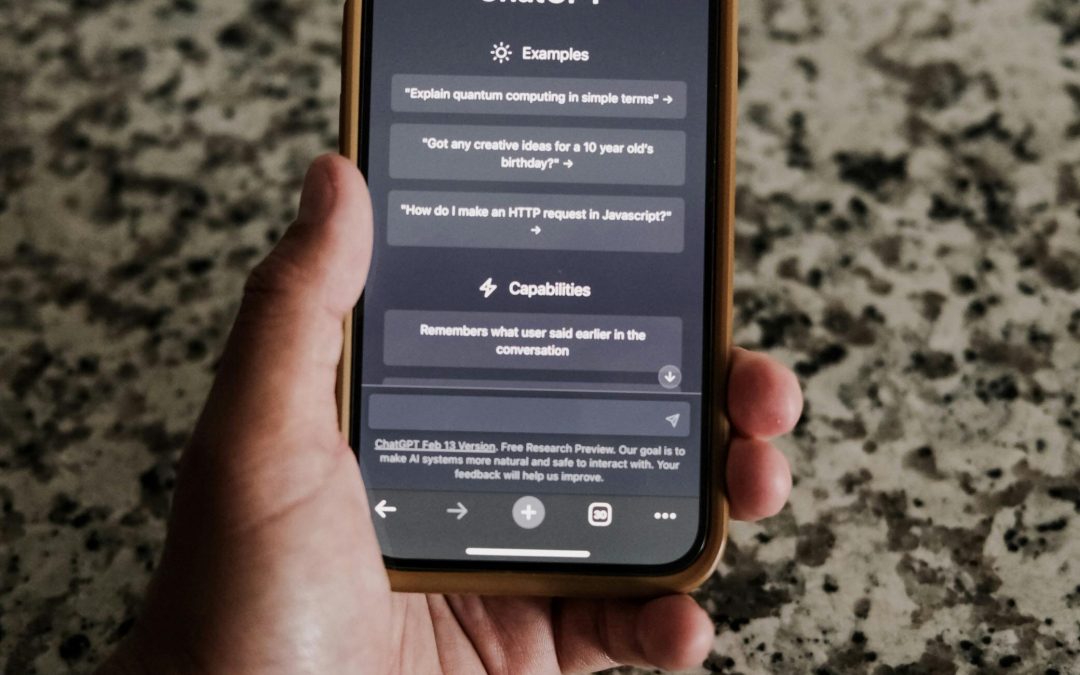
In February 2026, OpenAI began testing a new form of advertising directly inside ChatGPT. For marketers, this represents the early stages of what could become one of the most significant shifts in digital advertising since the rise of search engines.
While still in its infancy, advertising in conversational AI platforms introduces a fundamentally new environment for brand discovery, intent capture, and customer engagement.
Below is a breakdown of how ChatGPT ads work, what OpenAI has officially confirmed so far, and what businesses should watch closely as this new channel evolves.
Why Ads Are Coming to ChatGPT
ChatGPT now serves hundreds of millions of users globally, most of whom use the platform for free. To support the cost of running advanced AI systems and expand access to more powerful tools, OpenAI has begun testing advertising as a revenue model.
According to OpenAI, the goal is to introduce advertising while maintaining user trust and the integrity of AI responses.
In other words, ChatGPT ads are designed to support free access without compromising the reliability of the AI itself.
How Ads Appear in ChatGPT
Unlike traditional banner ads or search ads, ChatGPT advertising is designed to fit within a conversational interface.
Here are the key characteristics:
1. Ads are clearly labeled
Sponsored placements are displayed separately from ChatGPT’s responses so users can easily distinguish between organic answers and advertisements.
2. Ads appear after a user prompt
Advertisements are shown only after a user submits a query and when the topic is relevant to the conversation.
3. Ads are contextual
The system may match advertisements to the topic of the conversation, similar to how search engines show ads related to a query.
For example, a conversation about travel could trigger a sponsored hotel or flight offer.
Ads Do Not Influence ChatGPT’s Answers
One of the most important guardrails OpenAI has implemented is answer independence.
The company has stated clearly that advertising does not influence the responses ChatGPT generates. Answers are still optimized to provide the most helpful information to users, not to promote advertisers.
Ads are simply presented as separate, optional content.
This distinction is critical because ChatGPT is widely used for research, learning, and decision-making.
Privacy Protections for Users
OpenAI has also emphasized strict privacy protections.
Key safeguards include:
-
Conversations with ChatGPT are not shared with advertisers.
-
Advertisers receive only aggregated performance data, not individual user information.
-
Users can control ad personalization, dismiss ads, or delete ad-related data.
Additionally, ads are not shown to users under 18 and are restricted in conversations involving sensitive topics.
Which Users Will See Ads?
Currently, advertising is limited to certain account tiers.
Ads may appear for:
-
Free users
-
ChatGPT Go subscribers
Meanwhile, higher-tier subscriptions remain ad-free:
-
Plus
-
Pro
-
Business
-
Enterprise
-
Education plans
This structure mirrors the monetization strategy used by many software platforms: free users see ads, while premium subscribers pay for an ad-free experience.
Why This Matters for Digital Marketing
If ChatGPT ads scale successfully, they could introduce a new form of intent-driven advertising.
Historically, digital marketing has relied on two main discovery systems:
-
Search engines (Google, Bing)
-
Social feeds (Meta, TikTok, LinkedIn)
Conversational AI may become a third major discovery channel, where users ask detailed questions and receive answers rather than browsing search results.
For marketers, this could mean:
-
Targeting users during long-form research conversations
-
Appearing when people are actively exploring solutions
-
Delivering ads in a high-intent context
In many ways, ChatGPT queries are even richer signals than traditional search keywords.
The Current State of ChatGPT Advertising
Despite the excitement around this new channel, advertising in ChatGPT is still very early.
OpenAI is currently running limited tests with select advertisers and carefully monitoring user feedback before expanding the program.
Early reports suggest:
-
Ads appear as clearly labeled sponsored cards
-
Brands are testing placements tied to specific query topics
-
Advertiser access is still limited
Self-serve ad platforms and broader advertiser access may arrive later as the system matures.
What Businesses Should Do Now
At this stage, companies should treat ChatGPT advertising as an emerging opportunity rather than a mature channel.
Forward-thinking marketers can begin preparing by:
-
Monitoring the rollout of ChatGPT ads
-
Building content that answers detailed AI-driven questions
-
Structuring websites and data so AI systems can reference them
-
Experimenting early when self-serve tools become available
As conversational AI becomes a primary way people seek information, the businesses that adapt first will have a significant advantage.
The Bottom Line
Advertising inside ChatGPT represents the beginning of a new category of digital marketing: conversational advertising.
OpenAI’s early design principles—clear labeling, privacy protection, and answer independence—aim to preserve user trust while introducing monetization.
For now, ChatGPT ads are a small experiment.
But if conversational AI continues to reshape how people search, research, and make decisions, advertising inside AI assistants could become one of the most valuable channels in the next decade.